
A crystal bracelet should feel like it belongs on your wrist: secure enough to stay put, loose enough to move when you do. Yet most sizing problems begin before a bracelet arrives. Someone wraps a tape measure around their wrist once, adds a random centimeter for luck, and hopes. Crystal bracelets make that risky: beads sit differently from chain links, and a stretchy strand that fits one person can feel tight on another. The fix is simple. Measure your wrist properly, decide how you like a bracelet to sit, and compare that number with the way your chosen style is sized. It takes about five minutes.
What You Actually Need to Measure
You are measuring wrist circumference, not the length of your hand or forearm. Use a flexible tape measure if you have one. If not, a piece of string or a narrow strip of paper works, as long as you can mark it and lay it flat against a ruler.
Measure just below the wrist bone, where a watch or bracelet naturally rests. Keep the tape snug against your skin without pressing in. You should be able to slide a fingertip under it, but not much more. If you are between two numbers, write both down.
Do not measure over a sleeve, watch, or existing bracelet. Measure at the end of the day, when your wrist is usually at its normal size. Heat, activity, and what you eat can make wrists swell slightly, so a measurement taken after a long walk in warm weather may not match one taken first thing in the morning. Measure two or three times and use the average.
How to Measure Your Wrist in Three Reliable Steps
- Wrap the tape or string. Place it around your wrist just below the wrist bone. Keep it level all the way around. A tape that slopes will give you a longer measurement than you need.
- Mark the overlap. If you are using string, pinch the point where the end meets the rest of the string, then mark it with a pen. If you are using a tape measure, note the number where the tape overlaps.
- Record the number in centimeters and inches. Lay the string flat and measure from the end to the mark. Write the result down. Do not rely on memory, especially if you are comparing several bracelet styles later.
One more pass helps. Repeat the steps after a few minutes and see whether you get the same number. If the difference is small, take the average. If one measurement is clearly looser, it was probably taken too high on the arm or with too much slack.
Decide How You Want It to Fit
Wrist size is only half the answer. The other half is fit preference. Two people with the same wrist measurement can wear different sizes depending on how they like the bracelet to sit.
Snug fit
A snug bracelet stays close with little movement. It suits small beads, delicate chains, and anyone who dislikes jewelry sliding up the arm. Allow roughly half a centimeter beyond your wrist measurement. If it leaves deep marks or feels warm after an hour, it is too tight.
Classic fit
A classic fit has a small amount of drape. The bracelet moves slightly but does not slide over the hand on its own. For beaded bracelets, add around one to one and a half centimeters. For chains, you may want a little more, depending on clasp and link style.
Relaxed fit
A relaxed bracelet hangs lower and moves freely. It suits chunkier beads, charm chains, and layered looks. Add roughly two centimeters, or choose an adjustable chain. A relaxed bracelet should still stop before it slips over your hand. If it falls off when your arm is down, it is too large.
Bead Bracelet Sizing vs. Chain Bracelet Sizing
Bead and chain bracelets are not measured the same way. This is where many sizing mistakes happen, especially online.
Bead bracelets
A beaded bracelet is usually sized by its inside circumference, meaning the space your wrist sits in. The outer measurement is larger because the beads have thickness. If a seller lists the strand length before stringing, or the outer diameter, do not assume it matches your wrist. Look for the inside circumference or a clear size guide.
Bead size changes how a bracelet feels. A strand of 4mm beads bends easily and sits close. A strand of 10mm beads is less flexible, so the same inside circumference may feel snugger. Elastic bracelets should roll over the hand with some resistance, then settle without pinching. If you are choosing between two sizes on a larger-bead bracelet, the slightly larger one is often more comfortable.
Chain bracelets
A chain bracelet is usually measured end to end, including the clasp. The length should be longer than your wrist measurement because the chain needs room to drape and the clasp needs space. A common starting point is your wrist measurement plus one and a half to two centimeters. A thin chain may look best with a little extra; a heavier chain can feel fine with less.
Clasps matter. A lobster clasp sits flat, while a toggle clasp needs more room to work without pulling. If a charm hangs from the chain, check that it does not rest on your wrist bone. Adjustable chains are forgiving, but they can run long. Measure the shortest and longest settings before deciding.
Bangles and rigid cuffs
Rigid bracelets have to pass over the widest part of your hand, not just your wrist. Bring your thumb and little finger together, then measure around the widest part of your hand. For a rigid cuff with an opening, check the gap as well as the inside diameter.
Check the Fit Before You Commit
Before you cut a tag or commit to a custom order, test the fit. Wear the bracelet for ten minutes. Let your arm hang down, bend your wrist, and reach above your head. A bracelet that feels fine while you stand still can slide, pinch, or catch once you move.
- It stays put when your arm is down. A bracelet that slides over your hand without help is too loose for everyday wear.
- It does not leave deep marks. Light pressure is normal; a red groove that lasts is not.
- It clears your wrist bone. Beads or links should not press on the bone when your wrist bends.
- It passes over your hand with some resistance. Elastic bracelets should need a gentle roll, not a hard pull.
For gifts, borrow a bracelet the person already wears and measure its inside circumference. If that is not possible, choose an adjustable style or ask the seller for the exact inside measurement rather than a label like small, medium, or large.
Common Measuring Mistakes That Throw Off the Fit
The most common error is measuring loosely. A tape held away from the skin can add a centimeter or more, enough to change a bracelet from classic to oversized. The second is adding too much ease at the start. Measure honestly, then add allowance once, based on style and fit. Do not add extra just in case.
Another mistake is measuring an old bracelet from the outside. A beaded bracelet's outer length includes the beads, not the space for your wrist. Chain bracelets are easier because they are listed end to end, but clasps and extender rings change the usable length. If a listing is unclear, ask before ordering.
Write It Down and Stop Guessing
Keep your wrist measurement and preferred fit in a note on your phone. Add the inside circumference of any bracelet that fits well, along with style and bead size. Next time you buy a crystal bracelet, you will have a real number to work from. Measure once, check the size guide, and choose the fit that lets you wear the bracelet without thinking about it.
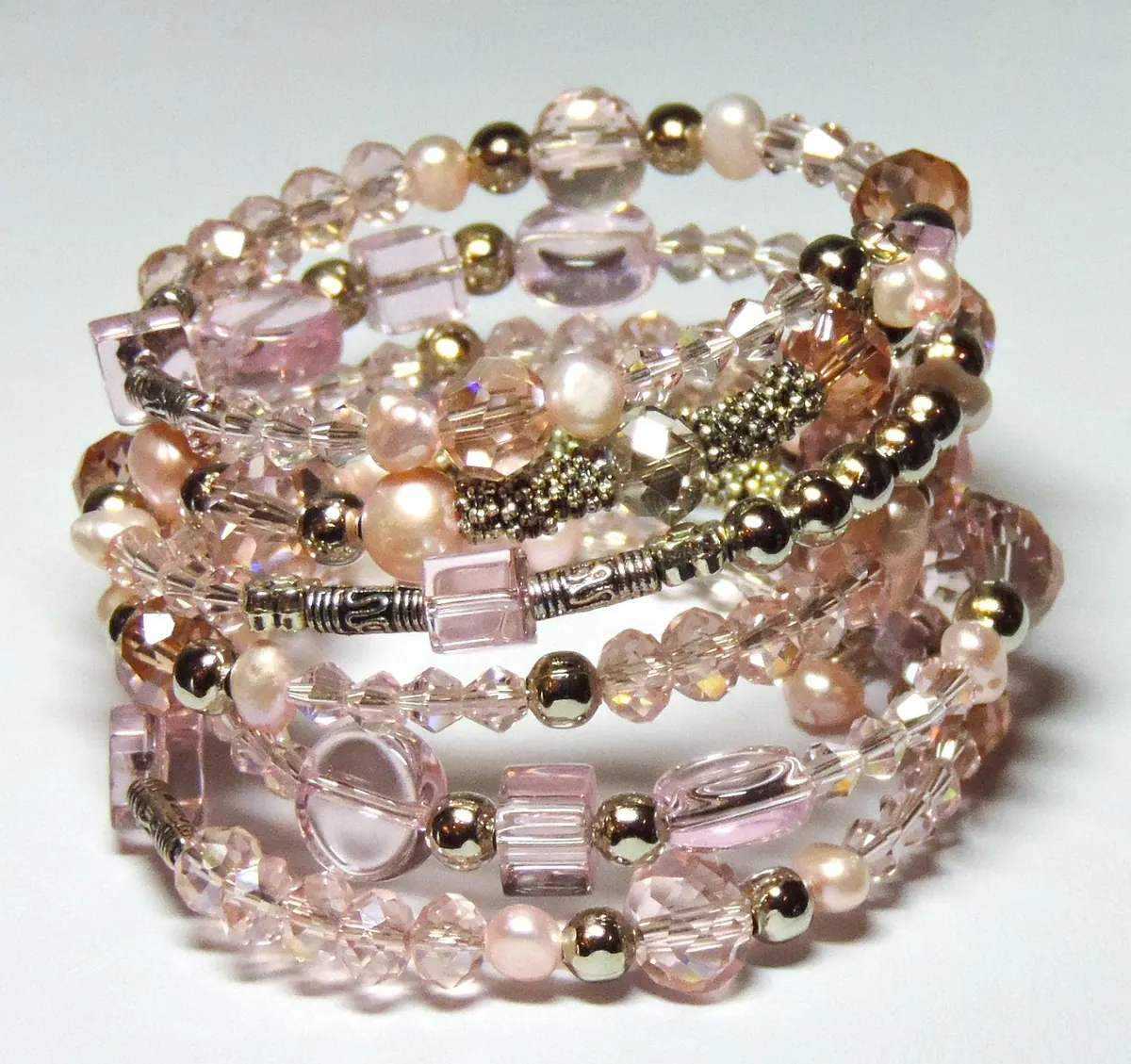
Photo: Successful4 / Pixabay